Lithuania, a member of the European Union since 2004, offers significant opportunities to individuals seeking European residency, business expansion, and freedom of movement within the Schengen Area. Understanding lithuanian citizenship eligibility is essential for anyone considering applying for citizenship through descent, naturalization, marriage, or other legal pathways. This detailed guide explains the main routes to citizenship, legal requirements, documentation, and important considerations applicants should know before beginning the process.
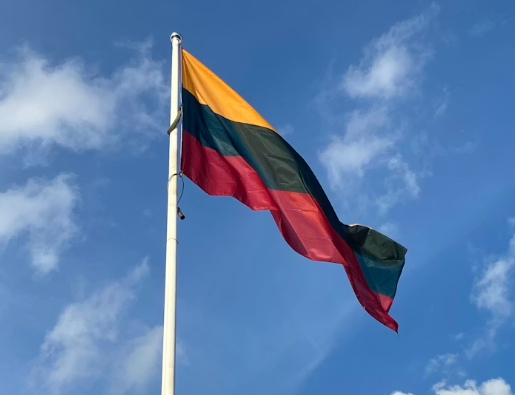
Main Paths to Lithuanian Citizenship
There are several recognized routes under Lithuanian law. Each pathway has distinct criteria, timelines, and documentation requirements.
1. Citizenship by Descent
Citizenship by descent is one of the most common and accessible routes. Lithuania allows individuals with Lithuanian ancestry to reclaim citizenship under certain conditions. You may qualify if: One or both of your parents were Lithuanian citizens. Your grandparents or great-grandparents were Lithuanian citizens before 15 June 1940. Your ancestors left Lithuania before 11 March 1990 due to occupation or political circumstances. In many cases, individuals applying through descent may retain dual citizenship, especially if their ancestors left Lithuania before Soviet occupation in 1940. However, eligibility depends on historical documentation and proof of lineage. To demonstrate lithuanian citizenship eligibility by descent, applicants must provide: Birth certificates (multi-generational if applicable) Marriage certificates (if names changed) Archival documents proving Lithuanian citizenship Migration or exile records if applicable Lithuanian authorities conduct a thorough review of genealogical documentation, so accuracy and proper translation are essential.
2. Citizenship by Naturalization
Naturalization is available for foreign nationals who have legally resided in Lithuania for a specified period. Standard requirements include: At least 10 years of continuous permanent residence in Lithuania Legal source of income Knowledge of the Lithuanian language Passing a Constitution examination No serious criminal record Applicants must also renounce their previous citizenship unless they fall under limited dual citizenship exceptions allowed by Lithuanian law. Language proficiency is tested formally and requires basic conversational and comprehension skills. The Constitution exam ensures applicants understand fundamental legal and civic principles. This pathway to lithuanian citizenship eligibility is typically longer and more structured compared to descent-based applications.
3. Citizenship by Marriage
Foreign nationals married to Lithuanian citizens may apply for citizenship under simplified conditions. Requirements usually include: At least 7 years of marriage Legal permanent residence in Lithuania Passing the Lithuanian language and Constitution exams Stable legal income Clean criminal record Marriage alone does not grant automatic citizenship. Authorities carefully evaluate the authenticity of the relationship and compliance with residency requirements.
4. Citizenship by Exception
In rare cases, the President of Lithuania may grant citizenship by exception. This route is typically reserved for individuals who: Have exceptional merits benefiting the Lithuanian state Represent Lithuania internationally in sports, science, culture, or business This pathway is discretionary and highly selective.
Dual Citizenship in Lithuania
Lithuania generally restricts dual citizenship, but exceptions apply in certain circumstances. Dual citizenship may be permitted if: A person was exiled or left Lithuania before 11 March 1990 Citizenship was acquired at birth The individual was adopted by Lithuanian citizens Citizenship was granted by exception A 2019 referendum aimed to broaden dual citizenship rights, but constitutional limitations still apply. Therefore, verifying lithuanian citizenship eligibility in relation to dual nationality is critical before applying. Applicants who do not qualify under exceptions must renounce previous citizenship upon approval.
Required Documentation
Proper documentation is the backbone of any successful application. Required documents vary depending on the pathway but generally include:
Identity Documents
– Valid passport – Birth certificate – Proof of legal residence (for naturalization)
Genealogical Evidence (for Descent)
– Lithuanian archival records – Pre-war passports or identity documents – Military service documents – Church registry records
Additional Documents
– Criminal record clearance – Proof of income – Marriage certificate (if applicable) – Language proficiency certificate All foreign documents must typically be: Translated into Lithuanian Notarized Apostilled or legalized according to international standards Failure to properly prepare documentation can significantly delay processing.
Application Process
The application process generally follows these steps:
Step 1: Document Collection
Gather and verify all required documentation, including historical records if applying by descent.
Step 2: Submission
Applications may be submitted through: – The Migration Department in Lithuania – Lithuanian embassies or consulates abroad
Step 3: Review and Evaluation
Authorities conduct a legal and historical review of the application. Processing times vary but may range from several months to over a year.
Step 4: Decision
Upon approval, the applicant takes an oath of allegiance to the Republic of Lithuania.
Processing Times and Fees
Processing times depend on complexity and pathway: Citizenship by descent: 6–18 months (sometimes longer if archival research is needed) Naturalization: Often 12 months or more Citizenship by exception: Variable Government fees vary but typically include: Application fee Document authentication costs Translation and legal services fees Applicants should also consider potential travel expenses.
Common Challenges and Mistakes
Understanding potential pitfalls can improve success rates.
Incomplete Genealogical Records
Many applicants struggle to locate pre-war documents. Lithuanian state archives may assist, but research can take time.
Name Variations
Names often changed due to translation differences, marriage, or migration. Consistency across documents is crucial.
Dual Citizenship Misunderstandings
Some applicants assume dual citizenship is automatic. However, eligibility depends strictly on legal exceptions.
Language Requirements
Naturalization applicants sometimes underestimate the Lithuanian language exam. Preparation is recommended.
Benefits of Lithuanian Citizenship
Lithuanian citizenship offers numerous advantages: Freedom of movement within the EU Right to live and work in any EU country Access to Lithuanian healthcare and social services Voting rights in Lithuanian and European Parliament elections Visa-free travel to many countries worldwide For individuals of Lithuanian descent, citizenship can also serve as a meaningful reconnection to heritage and cultural identity.
Final Considerations
Before beginning the process, applicants should: Verify their eligibility under Lithuanian law Assess dual citizenship implications Prepare complete and properly certified documentation Consider consulting legal or genealogical professionals if necessary Because laws and constitutional interpretations can evolve, staying informed is essential. Evaluating lithuanian citizenship eligibility carefully ensures applicants choose the correct pathway and avoid unnecessary delays. Lithuania’s citizenship framework balances historical responsibility, national integrity, and modern European integration. Whether applying through ancestry, marriage, or long-term residence, a well-prepared application significantly increases the likelihood of approval.